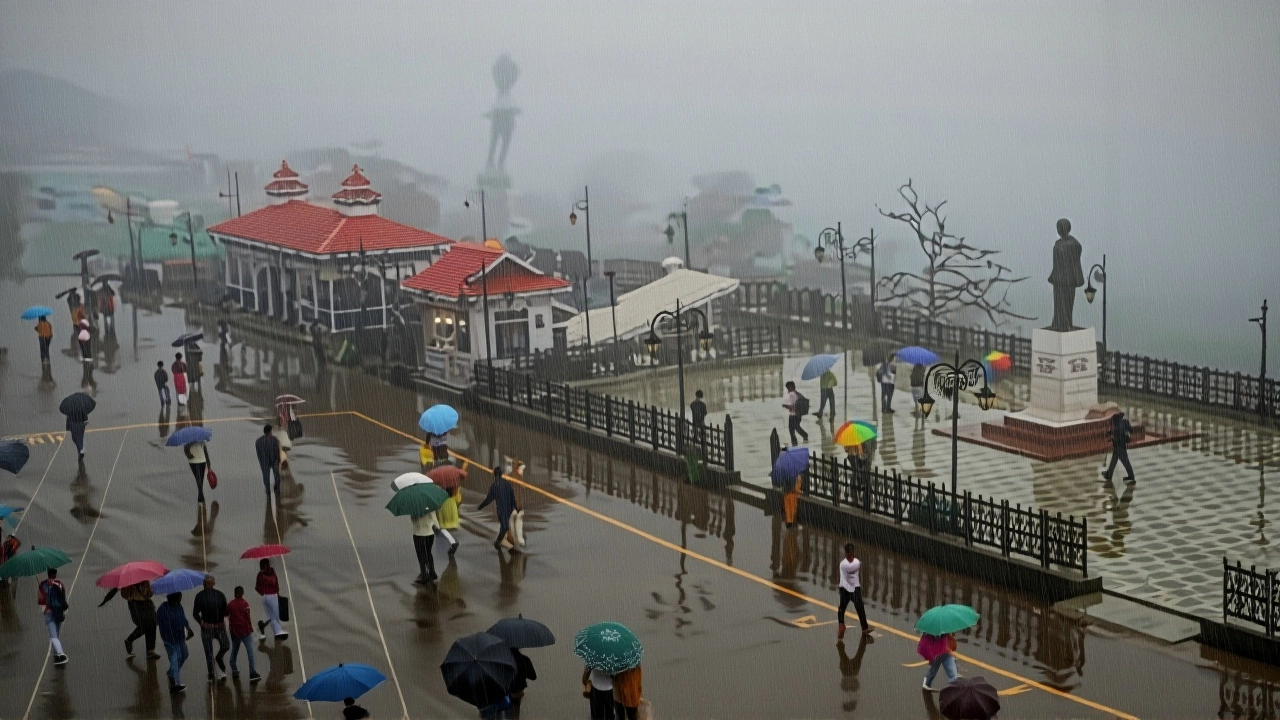
Flood Disaster
When we talk about a flood disaster, a sudden and overwhelming overflow of water that submerges land, often causing widespread damage and loss of life. It's not just rain gone wrong—it's a chain reaction tied to weather, land use, and climate change. Flood disasters don’t wait for warnings. They hit fast, drowning roads, sweeping away power lines, and turning neighborhoods into lakes overnight. In places like India, Bangladesh, or even parts of the U.S., these events are becoming more frequent and more severe. The World Meteorological Organization found that floods now account for nearly half of all natural disasters globally, affecting over 200 million people each year.
What makes a flood disaster worse? climate change, the long-term shift in global weather patterns driven by human activity, especially greenhouse gas emissions is supercharging storms and raising sea levels. Heavy rainfall that used to happen once every 100 years? Now it’s every 5 to 10. Then there’s urbanization, the expansion of cities with concrete and asphalt that block water from soaking into the ground. When rain hits pavement instead of soil, it flows straight into streets and homes. Poor drainage, illegal construction near rivers, and deforestation all make things worse. And when emergency response systems are underfunded or slow? The human cost spikes.
Flood disasters don’t just wash away houses—they wreck lives. People lose jobs when factories drown. Kids miss school for months because their classrooms are mud. Clean water disappears, and diseases like cholera spread fast. Farmers lose entire crops. Small businesses go under. Recovery takes years, and for many, it never fully comes back. But there’s hope. Communities that invest in early warning systems, restore wetlands, and build flood-resistant homes see fewer deaths and faster recoveries. Governments that treat flood prevention like public health—not just an afterthought—save money and lives.
What you’ll find below isn’t just news about rising water. It’s real stories from people caught in the chaos, reports on how governments are (or aren’t) responding, and glimpses into the systems that could stop the next disaster before it starts. Some posts show how illegal gambling operations thrive in the chaos of disaster zones. Others track how gold prices spike when people panic-buy assets after floods wipe out savings. You’ll see how cultural identity shifts when entire villages are relocated, and how fashion brands like Shein rebuild supply chains after rivers swallow their factories. These aren’t random stories—they’re all connected to the same root problem: when nature floods, society stumbles. And how we respond says everything about who we are.