Weather and Natural Disasters: Storms, Floods, and What They Reveal About Our Cities
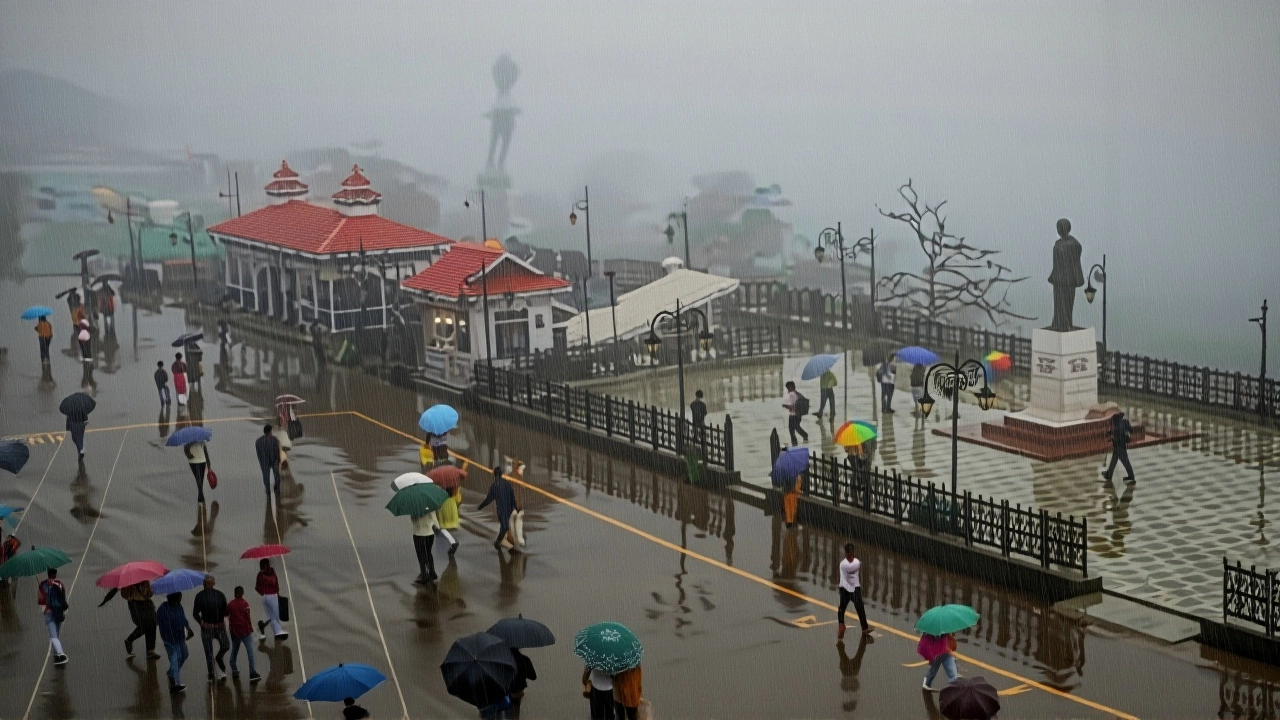
When we talk about Weather and Natural Disasters, extreme environmental events that disrupt human life and infrastructure. Also known as natural hazards, they include things like cyclones, floods, heatwaves, and landslides—events that don’t wait for warnings to hit hard. These aren’t just acts of nature. They’re tests of how well we’ve built our homes, roads, and emergency systems. Take Cyclone Mandous in 2022: it dumped 115mm of rain on Chennai in hours, killed four people, and flooded streets that hadn’t been upgraded in decades. The storm didn’t cause the deaths. The lack of drainage, weak infrastructure, and delayed response did.
Flood disaster, a sudden overflow of water that overwhelms land not normally underwater. Also known as urban flooding, it’s the most common and deadly result of heavy rainfall in cities. Chennai’s problem wasn’t the rain—it was the fact that canals were blocked, storm drains were clogged with plastic, and low-income neighborhoods sat in the path of runoff. This isn’t unique to India. Cities from Houston to Mumbai face the same pattern: more intense storms, older systems, and slow fixes. Meanwhile, tropical storm, a rotating low-pressure system with strong winds and heavy rain, forming over warm ocean waters. Also known as cyclone, it’s the engine behind many of these disasters. The India Meteorological Department tracks these storms, but tracking isn’t enough. Early warnings mean nothing if people can’t evacuate safely or if power lines fall into flooded streets.
What’s missing isn’t data. It’s action. We know cyclones are intensifying. We know urban sprawl kills natural drainage. We know aging pipes and concrete jungles turn rain into rivers. But we keep building the same way. The post below on Cyclone Mandous isn’t just a news report—it’s a case study in what happens when preparedness lags behind climate reality. Below, you’ll find real stories from communities caught in the crosshairs of weather gone wrong. No fluff. No theory. Just what happened, why it mattered, and what it tells us about the next storm coming your way.